A little sunscreen guide
We all know how dangerous the sun’s rays can be and how important sun protection is....


We all know how dangerous the sun’s rays can be and how important sun protection is....
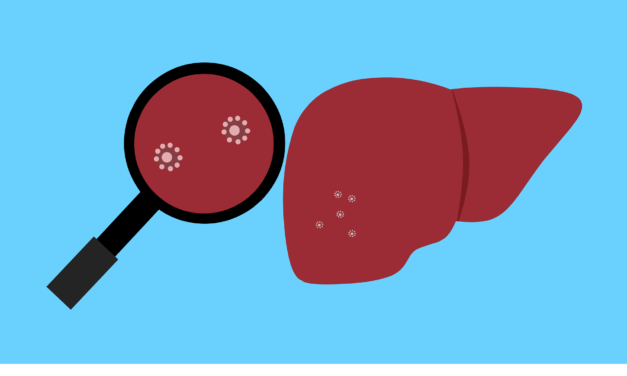
Liver fibrosis silently and insidiously progresses toward cirrhosis and cancer – is biopsy the only reliable way to detect it in time? M2BPGi, a glycoprotein biomarker that reflects the activity of the fibrogenic cells themselves, offers something that existing indices like FIB-4 and APRI cannot: insight into the living fibrogenic process, not just its remnants. Can a single serum marker replace the needle and the risks that come with it?
Read More
Did you know that nearly one in five people carries a genetically determined increased risk of heart attack, without even being aware of it? Lipoprotein(a) is a molecule that has stood in cholesterol’s shadow for decades, yet today it is recognized as an important cardiovascular risk factor that lifestyle changes and statins cannot significantly influence. What does its value mean for us, and does the new generation of drugs offer a solution?
Read More
Drugs sometimes show potential in treating diseases for which they have no indication at all. These ten off-label examples show how a single molecule can serve to treat completely unrelated conditions.
Read More
In the abundance of antihypertensive drugs, a drug with a new mechanism of action for lowering high blood pressure has emerged. What is baxdrostat?
Read More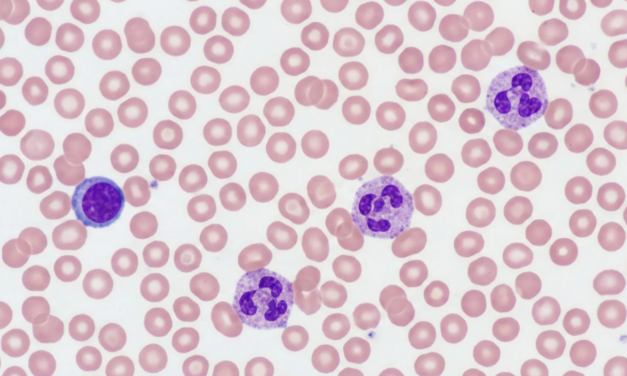
The neutrophil-lymphocyte ratio (NLR) is an example of how laboratory medicine, in recent times,...
Read More
Puberty is a complex developmental biological process during which the reproductive system matures and secondary sexual characteristics develop, normally beginning between the ages of 8 and 13 in girls and between 9 and 14 in boys. However, in recent times a trend of earlier onset of puberty has been observed. The question arises whether early maturation represents a natural trend or a serious public health problem with long-term consequences.
Read More
Fulminant type 1 diabetes is rare, but an extremely aggressive form of type 1 diabetes characterized by complete and rapid destruction of the pancreatic beta cells. What are the patterns of development? How to recognize and treat it? How dangerous is it actually?
Read More
Soy and red clover are rich sources of genistein and daidzein, isoflavones that are used as dietary supplements to alleviate menstrual disorders, menopausal symptoms, osteoporosis, and polycystic ovary syndrome. Soy and red clover derived phytoestrogens are well known for their hormonal effects; however, it is becoming increasingly evident that their effects are not the same in all individuals.
Read More