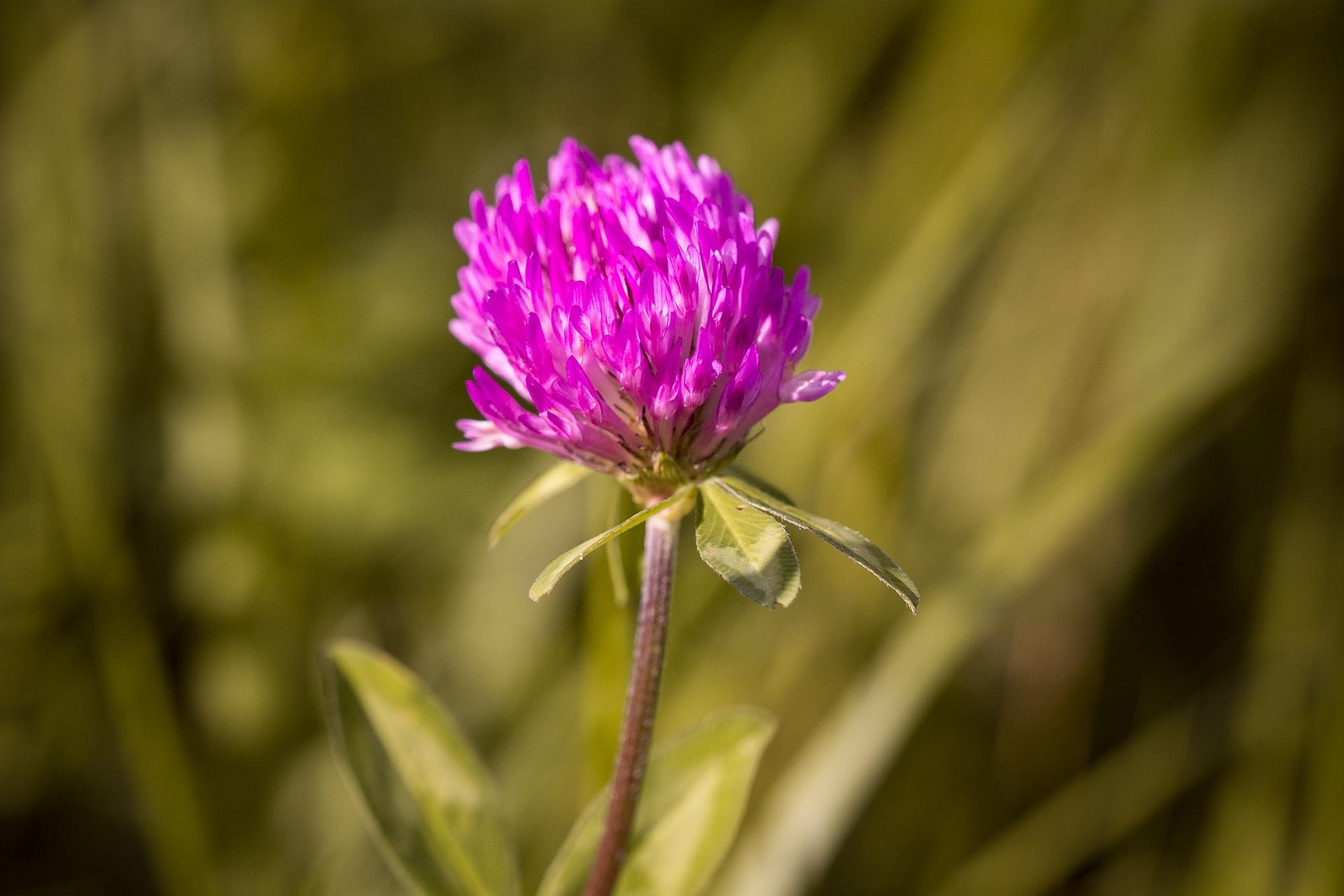
Soy and red clover are rich in genistein and daidzein, isoflavones that are used as dietary supplements to alleviate menstrual discomfort, menopause symptoms, osteoporosis, and polycystic ovary syndrome. The natural origin of these compounds and the relatively wide availability and low production costs are just some of the characteristics that increase the possibility of their use as dietary supplements for patients with different indications.
Phytoestrogens – plant compounds with hormonal effects
Phytoestrogens, especially the isoflavones daidzein and genistein, are plant compounds structurally similar to 17β-estradiol (E2) and are capable of binding to estrogen receptors. Compounds present in high concentrations in soy and red clover act similarly to selective estrogen receptor modulators (SERMs). Studies conducted in vitro, in silico, and in vivo show that they can modulate estrogen signaling pathways, reduce oxidative stress, and influence reproductive and neurological functions. Phytoestrogens have been known for many years for their hormonal effects. However their numerous effects on the body, as well as new mechanisms of action, are still the subject of research.
Equol: the active metabolite responsible for the effect of isoflavones
Red clover and soy contain isoflavones that are effectively transformed in the gastrointestinal tract of humans into daidzein and further to S-(-)equol, if bacteria that produce equol from daidzein are present in the intestines. It takes 12-36 hours for S-(-) equol to appear in plasma after oral administration of daidzein in humans, which is consistent with its formation in the large intestine.
Who produces equol, and why is it important?
Equol is not counted among phytoestrogens because it is not naturally present in plants, but is created exclusively as a metabolic product of the action of intestinal microbiota on isoflavones. It is a non-steroidal estrogen that is produced only in some adults, depending on the composition of their intestinal bacteria. Based on this, the term “equol producers” was introduced for people who can convert soy isoflavones into equol, and “equol non-producers” for those who do not undergo this conversion. This led to the equol hypothesis, according to which the clinical effects of a soy-rich diet may be more pronounced in individuals who produce equol, suggesting that the individual’s ability to synthesize it may determine the biological and therapeutic response to soy isoflavones.
Gut bacteria as the key to the effects of soy and red clover
Only a fraction of the population, 25-65%, has gut bacteria capable of converting daidzein to equol, which also depends on the dietary habits of the population. Most people do not produce equol, but other metabolites without estrogenic activity. The production of equol depends on the presence of specific bacterial species and genes for key enzymes, most often within the Coriobacteriaceae family, but also some strains from the genera Lactobacillus, Bifidobacterium, and others. Due to the genetic diversity of the microbiota, even within the same bacterial species, bacterial strains differ in their characteristics. Their metabolic capabilities also vary.Some strains can produce equol, while others cannot.
Clinical potential of isoflavones
At dietary levels, these compounds are generally safe, although high-dose supplementation is not recommended for people with hormone-sensitive cancers. New evidence suggests that long-term consumption of soy-based foods may reduce the risk of cancer. New research points to the necessary division of the population into producers and non-producers of equol, because the therapeutic effect of the isoflavone daidzein can be expected in people who can produce the active metabolite equol. Further research is needed to optimize dosing and improve clinical outcomes. Additionally, studies are required to elucidate the long-term safety of isoflavones in different populations, particularly in the context of genetic variation in isoflavone metabolism.
Literature
2. Intharuksa A, Arunotayanun W, Na Takuathung M, Chaichit S, Prasansuklab A, Chaikhong K, Sirichanchuen B, Chupradit S, Koonrungsesomboon N. Daidzein and Genistein: Natural Phytoestrogens with Potential Applications in Hormone Replacement Therapy. Int J Mol Sci. 2025, 26(14), 6973
3. Cvjetićanin M. Clinical significance of equol as a bioactive metabolite of daidzein [Specialist Thesis]. Zagreb: University of Zagreb, Faculty of Pharmacy and Biochemistry;2023
Photography source