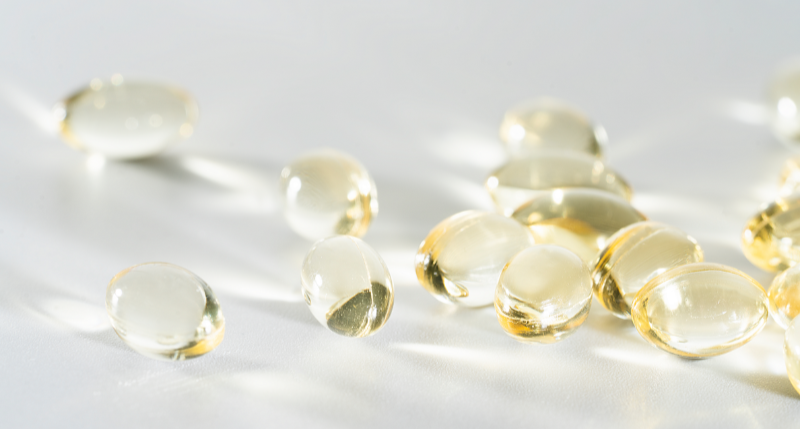
Vitamin D, also known as the “sunshine vitamin” is a fat-soluble vitamin. It is found naturally in several foods, while others are fortified with it (e.g. dairy products), and it is also available as a dietary supplement. It is synthesized in the body after exposure to UVB radiation. It has many vital roles in the body and is associated with bone health, the immune system, and even depression.
Roles in the body
Once it binds to vitamin D receptors (VDR), it functions as a transcription factor, thus regulating the activity of more than 1000 genes. It also participates in the activation of various signaling pathways within the cell. Given the fact that VDR is found in the cells and tissues of almost the entire organism, vitamin D affects a wide spectrum of physiological processes such as brain development, cell differentiation, anti-inflammatory effects, antioxidant activity, antibacterial effects, protection of blood vessels, health of the nervous system and calcium regulation.
The (Possible) Benefits of Vitamin D
Given that vitamin D plays a key role in many processes in the body, more and more research is being done into the positive effects that additional supplementation could have. While much is still unproven, here are some current areas of investigation.
Diabetes
Some research claims that vitamin D supplementation helps to maintain glucose levels, reduces the risk of progression from prediabetes to type 2 diabetes, or helps manage the disease, especially in people who have sufficient vitamin D.
Cancer
Vitamin D does not reduce cancer incidence, but higher vitamin D status might reduce cancer mortality rates.
Neurodegenerative diseases
Vitamin D plays a role in various signaling pathways associated with neurodegenerative diseases such as Parkinson’s disease, dementia, and Alzheimer’s disease, so some studies have observed positive effects. However, some have shown mixed results, so further evidence is still needed.
Depression
Low vitamin D levels are also associated with depression and vitamin D supplementation has been shown to affect mood. However, if a person does not have a low vitamin D level supplementation is less likely to help.
Multiple sclerosis
So far, there are suggestions that people with low levels of vitamin D have a higher chance of developing multiple sclerosis, and the impact of supplementation for those already affected is also being investigated.
Sources of vitamin D
Dietary sources of vitamin D include the following foods: fatty fish (such as tuna or salmon), cod liver oil, beef liver, egg yolks, and mushrooms. Many food products are fortified with vitamin D, such as milk and milk products. However, it is difficult to get the necessary amounts of vitamin D through food, so supplementation is recommended, especially in the winter months.
Possible side effects
Very high levels of vitamin D in the blood can cause nausea, vomiting, muscle weakness, confusion, pain, loss of appetite, dehydration, and kidney stones, while extremely high levels of vitamin D can have fatal consequences. The good news is that vitamin D production in the skin is self-limiting, so it isn’t possible to get too much through sun exposure to the skin itself. High levels are almost always associated with excessive consumption of dietary supplements.
Should we use vitamin D supplements?
Given the importance and roles that vitamin D plays in the body, it is desirable to ensure a sufficient amount. We can do this in several ways; by consuming food rich in vitamin D, exposure to the sun, or using nutritional supplements. Sometimes it is difficult to meet our vitamin D needs, especially in the winter months when we spend less time in the sun. Then we could especially think about introducing a supplement. Of course, in the case of a major deficiency of vitamin D and certain conditions and diseases, it is always wise to consult a doctor first.
Literature
2. Wang W, Li Y, Meng X. Vitamin D and neurodegenerative diseases. Heliyon. 2023, 9(1)
3. Parker GB, Brotchie H, Graham RK. Vitamin D and depression, Journal of Affective Disorders 2017, 208, 56-61
4. Vitamin D Fact sheet for consumers. National Institutes of Health (NIH) Office of Dietary Supplements (ODS), 2022
5. Galior K, Grebe S, Singh R. Development of Vitamin D Toxicity from Overcorrection of Vitamin D Deficiency: A Review of Case Reports. Nutrients. 2018, 10, 953
6. Vitamin D, 2023., https://examine.com/supplements/vitamin-d/, pristupljeno 12. 12. 2023.
7. Vitamin D, 2023. https://www.hsph.harvard.edu/nutritionsource/vitamin-d/, pristupljeno 13. 12. 2023